The rate looks great. Are you actually on the title?
Mobile home lending is not the same as lending on a house. In this recorded class, Goodwin Yee walks lenders through certificates of title, skin in the game, self-directed IRAs, draw schedules, and the promissory note, clause by clause. Learn what to check before your money leaves your account.
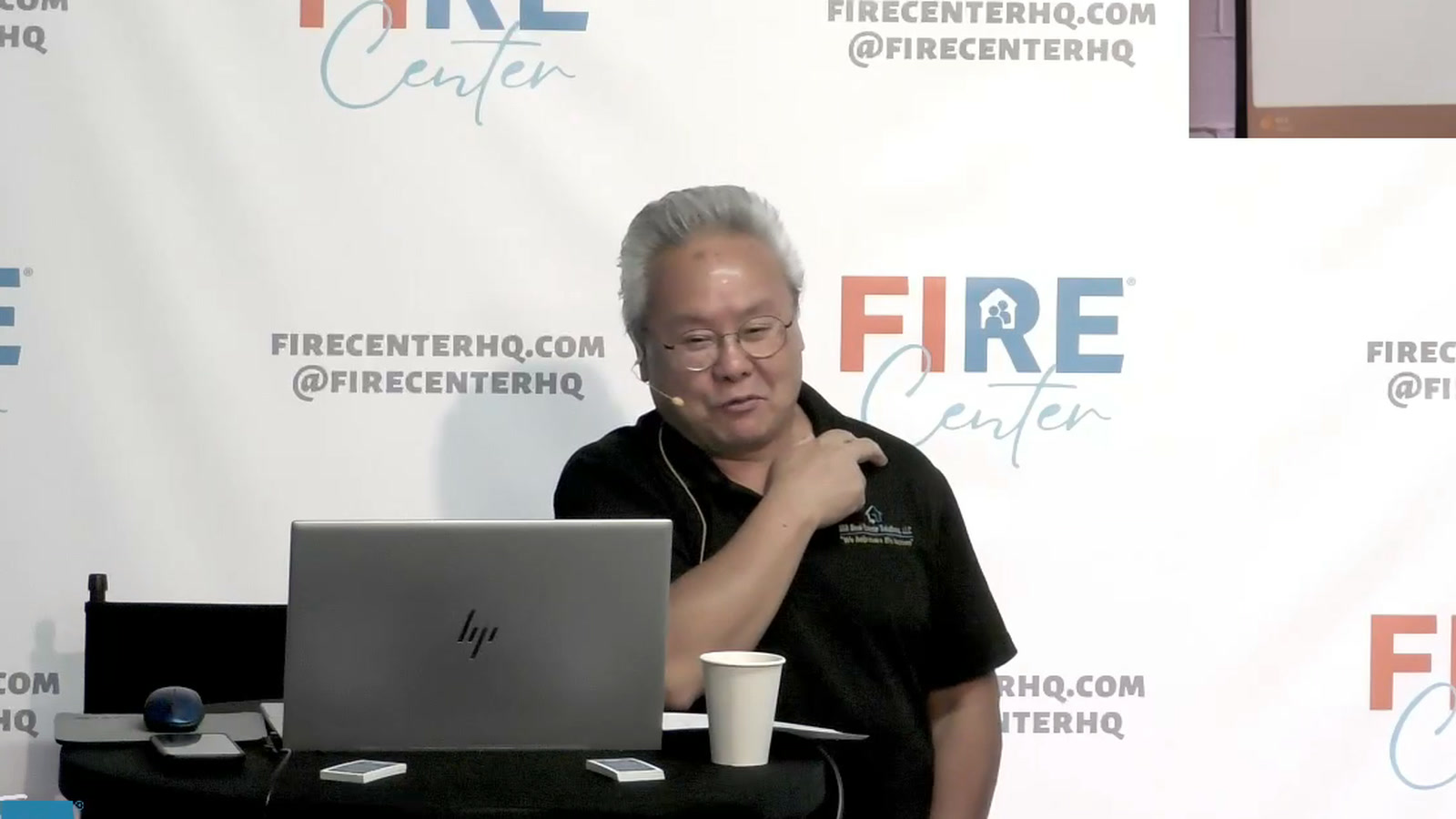
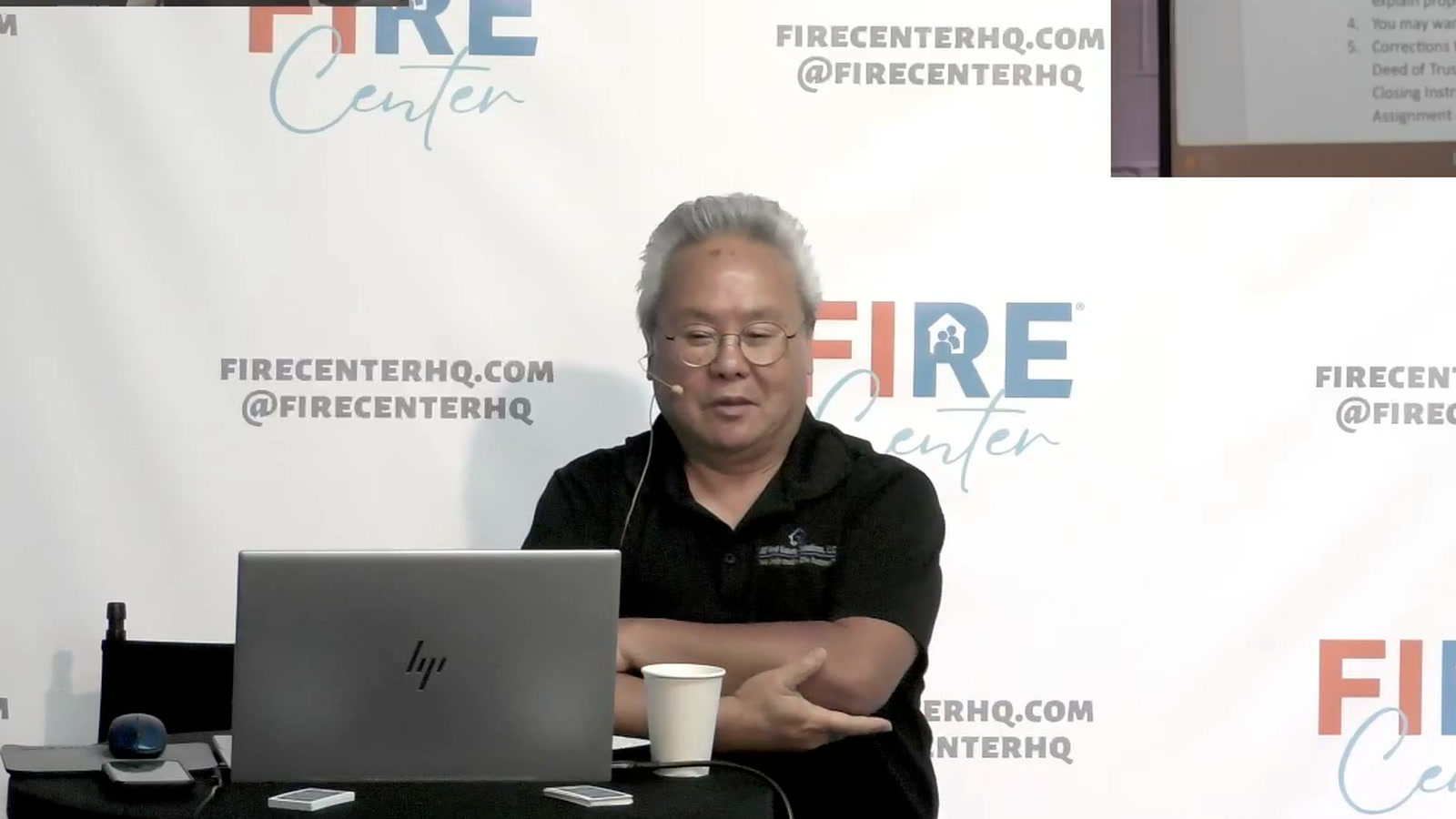
Goodwin Yee teaches from the lender's side of the table
Goodwin started out buying notes, then moved into private lending. He lends on mobile home flips, most of them here in the Inland Empire, largely from self-directed retirement accounts, and he often invites co-lenders into his deals.
He does not dress it up. In his words, a real lender has lost money. In this class he shows you where his own paperwork fell short and what he changed. His promissory note has reached version 10.
He spent 40-plus years in IT, and he says he still spends about $20,000 a year on his own education. Expect the details most classes skip.
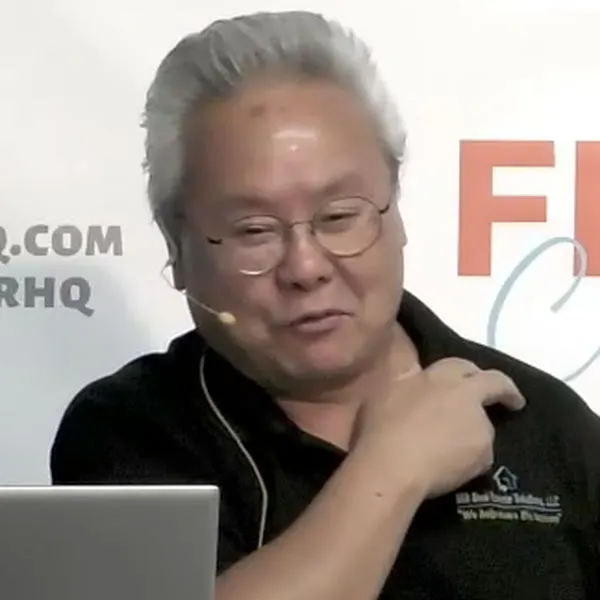
Goodwin Yee built his real estate business around private lending, buying, selling, and structuring promissory notes and creative-finance deals. He created and teaches FIRE Center's "Be The Bank" course, a two-day, 16-hour class on promissory notes and private lending, and co-leads the club's Creative Finance Exchangor sessions alongside fellow instructor Andy Teasley.
Built for lenders. Borrowers should listen in.
I want this class in front of you if you lend on mobile homes, or plan to:
Goodwin calls a lot of this intermediate to advanced lending. It helps to know your way around a financial calculator. Part 3 includes a short refresher.
- You have lent before and want tighter paperwork.
- You want to lend from a self-directed IRA and need to know the rules first.
- People ask you to fund mobile home flips and you want to know what to ask them.
- You borrow for mobile home flips and want to know what lenders will expect from you.
Look at a mobile home loan the way a careful lender does
After the class, you will be able to work through:
- Why a mobile home is personal property unless it is certified as attached to land, and what that means for your security.
- Legal owner versus registered owner on a certificate of title, and where you want your name.
- Skin in the game: what counts, the 15% most lenders look for, and when to ask for more collateral.
- Self-directed IRA basics: custodian fees, disqualified people and transactions, and what you may not do on a property your IRA funded.
- Scope of work, project schedule, draw schedule, and lien waivers, so money follows finished work.
- The promissory note clause by clause: points, late charges, attorney fees, governing law, default, extensions, prepayment, and per diem.
- Getting paid off through title and escrow, and how payoff paperwork can go wrong.
The rules in this class come from things going wrong
A borrower was told HCD kicked back the title paperwork. Nobody followed up. That lender was never secured on the mobile home.
A rehab where the materials went into the house next door, a house the lender was not on title for.
One payoff took nine rounds of payoff statements before the loan finally closed out.
Goodwin says he knows of more than $200,000 in mobile home lending losses tied to document problems, including deals where his own paperwork did not fully protect him. That is why he now wants lenders funding through a title and escrow company that handles mobile homes, collecting monthly payments, and named as loss payee on the insurance.
The loan amounts and rates in the class, like the $35,000 sample note in Part 4, are teaching examples, not expected results.
Five parts, recorded live
- Part 1: Mobile homes as collateral and the paperwork mindset (54 min)
- Part 2: Title, skin in the game, self-directed IRAs, and draws (about 2.5 hours)
- Part 3: Oversight, due diligence, and finding lending deals (about 2 hours)
- Part 4: Inside the promissory note, clause by clause (about 2 hours)
- Part 5: Papering the deal, getting paid off, and Q&A (42 min)
The full recorded class, questions included
You get all five recorded parts, about 7.5 hours in all, including the live Q&A.
The room asked what lenders actually run into. What can a park do with a gutted unit nobody is working on? How do draws work when the money comes from an IRA? What can you do on a project your IRA funded when the borrower walks?
Pause, rewind, and come back to a part when a deal puts that question in front of you.
Start with this class or get it with membership
Get this class for $147 one-time with lifetime access. This class is included with FIRE Starter and FIRE Builder.
Buy this class first, then join FIRE Starter yearly within 7 days and I'll credit your $147 toward your first year.
The standalone class also has a 7-day no-questions refund.
One-time payment. Lifetime access to Lending on Mobile Homes. 7-day no-questions refund.
Buy this class for $147or $1,470 a year
Every class in the catalog comes with FIRE Starter, so you stop buying them one at a time.
Get every class with FIRE StarterAlready a member? Open the FIRE App instead of buying again.
Frequently asked questions
Lenders and future lenders who want to fund mobile home deals with better protection, plus borrowers who want to know what lenders will expect. Goodwin built it for lenders first.
Mostly no. The focus is mobile homes as personal property. Some of the sample promissory notes in Part 4 are real property, and Goodwin points out the differences as he goes.
No, but expect a fast pace. Goodwin calls much of the material intermediate to advanced. If a financial calculator is new to you, watch the refresher in Part 3 closely.
No. Goodwin is clear that lending carries real risk, and the class spends hours on how loans go wrong. He teaches ways to lower that risk. He never says it goes away. Any figures you hear are examples, not expected results.
Five recorded parts, about 7.5 hours including Q&A, for $147 one-time with lifetime access. The class was recorded live at the FIRE Center on Saturday, May 16, 2026.
No. This is educational material, not legal, tax, or lending advice. Goodwin tells you to take any document to a competent professional before you use it, and to check the licensing and usury rules in the state where you lend.
Yes. Buy this class first, then join FIRE Starter yearly within 7 days and I'll credit your $147 toward your first year. This class is already included with FIRE Starter and FIRE Builder.
The standalone class has a 7-day no-questions refund. That is separate from the 7-day window to apply your class purchase toward annual membership.
Check the title before you check the rate.
Start with Part 1 on what makes a mobile home different as collateral, then follow Goodwin clause by clause through the paperwork lenders use to protect their money.
Buy this class for $147